Fuel your body like a pro. Our 2,000-word guide explores the science of Whey Protein for the Kenyan public. From managing the Thika Road commute to losing belly fat in Northlands, discover how the right protein supplement can accelerate your results. Featuring current Kenyan prices and expert advice on Isolate vs. Concentrate. Shop at Natty Gyms and start your transformation today!
In 2026, the "General Public" in Kenya is facing a dual health challenge. While the Ministry of Health reports a rise in lifestyle-related conditions like obesity and hypertension in urban areas like Nairobi and Ruiru, there is also a massive surge in people reclaiming their health. Along the Thika Road corridor—from Kenyatta University to Northlands City—the conversation has shifted from "How do I lose weight?" to "How do I fuel my body correctly?"
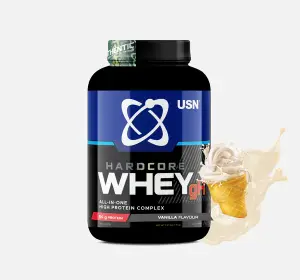
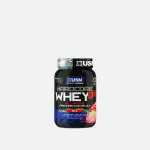
Enter Whey Protein. Once viewed as a mysterious powder for elite bodybuilders, whey protein has become a staple in the pantries of busy Kenyan professionals, students, and fitness enthusiasts. But with prices for premium brands like Optimum Nutrition and USN ranging from KSh 2,600 to KSh 14,000, it is vital to understand exactly what you are paying for and how to use it to reach your goals.
Whey is one of the two primary proteins found in milk (the other being casein). It is a byproduct of the cheese-making process and is considered a "complete" protein.
Unlike some plant-based proteins common in the Kenyan diet (like green grams or beans), whey naturally contains all nine essential amino acids. Your body cannot produce these on its own; they must come from food. Whey is particularly rich in Leucine, which acts as a "molecular switch" that turns on muscle protein synthesis. Whether you are training at our Membley branch or Kahawa Sukari, Leucine is what tells your body to start repairing the muscle fibers you just challenged on our elite strength machines.
The traditional Kenyan diet is often rich in carbohydrates—think Ugali, Chapati, and Rice. While these are great for energy, they often leave us "protein-deficient."
If you are commuting from Kenyatta Road to the CBD, you likely don't have time for a high-protein lunch. A whey protein shake takes 30 seconds to prepare and provides roughly 24g of high-quality protein—the equivalent of eating four large eggs or a small chicken breast—without the prep time or the "heavy" feeling in your stomach during a meeting.
A major struggle for the "General Public" in Ruiru and Kahawa is managing satiety. Protein is the most satiating macronutrient. By replacing a sugary snack or a high-carb breakfast with a whey shake, you stay fuller for longer, reduce cravings, and protect your lean muscle while your body burns fat for fuel.
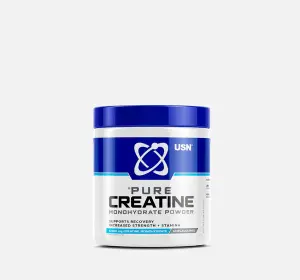
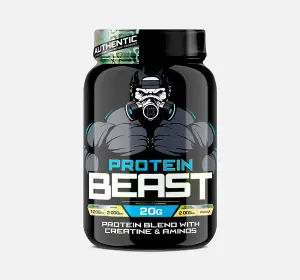
When you browse the Natty Shop, you’ll see different labels. Here’s the breakdown to help you choose:
This is a common fear. Current medical research confirms that for healthy individuals, moderate protein intake (up to 2.2g per kg of body weight) is perfectly safe. However, as your brand defenders, we always recommend staying hydrated. The kidneys process protein waste, and drinking the recommended 3 liters of water daily—especially if you train in the heat of Juja or Ruiru—is essential.
Nothing beats a balanced diet of whole foods. However, whey has a Protein Digestibility Corrected Amino Acid Score (PDCAAS) of 1.0—the highest possible score. This means your body absorbs whey more efficiently than beans (0.7) or beef (0.9). Use whey as a supplement to your Githeri or Fish and Ugali, not a total replacement.
We know that our female members in Membley and Kahawa Sukari prioritize hygiene. One of the best ways to stay fresh is to keep your shaker clean! Always wash your protein shaker immediately after use to avoid that "sour milk" smell. Since our hot showers are always spotless, you can freshen up, have your shake, and head out feeling 100% professional.
Whey protein is not a "magic powder," but it is a powerful tool in your fitness arsenal. By combining the elite strength machines at Natty Gyms with the right nutritional support from the Natty Shop, you are setting yourself up for a level of transformation that "standard" gyms simply cannot offer.
Visit the Natty Shop today or talk to aCoach at our Ruiru or Kahawa branches to find the right protein for your lifestyle.

 Maina Alvin
Feb 24, 2026
 Maina Alvin
Feb 24, 2026
 Maina Alvin
Feb 24, 2026
 Maina Alvin
Feb 24, 2026